Dark circles under the eyes are a common concern for many. They can greatly affect one’s appearance and self-confidence. Understanding what causes dark circles under the eyes is crucial for effective treatment. Various factors contribute to this issue, including genetics, sleep deprivation, and underlying health conditions.
Lack of sleep often leads to pallor, making dark circles more prominent. Allergies and stress can also exacerbate the appearance of these shadows. While many people seek quick fixes, a deeper understanding is essential in addressing the root causes. Remedies range from lifestyle changes to cosmetic treatments, but results vary.
Exploring these aspects allows for a more informed approach. The journey to brighter eyes may require patience and trial and error. In the end, recognizing the unique aspects of your situation can lead to lasting improvement.
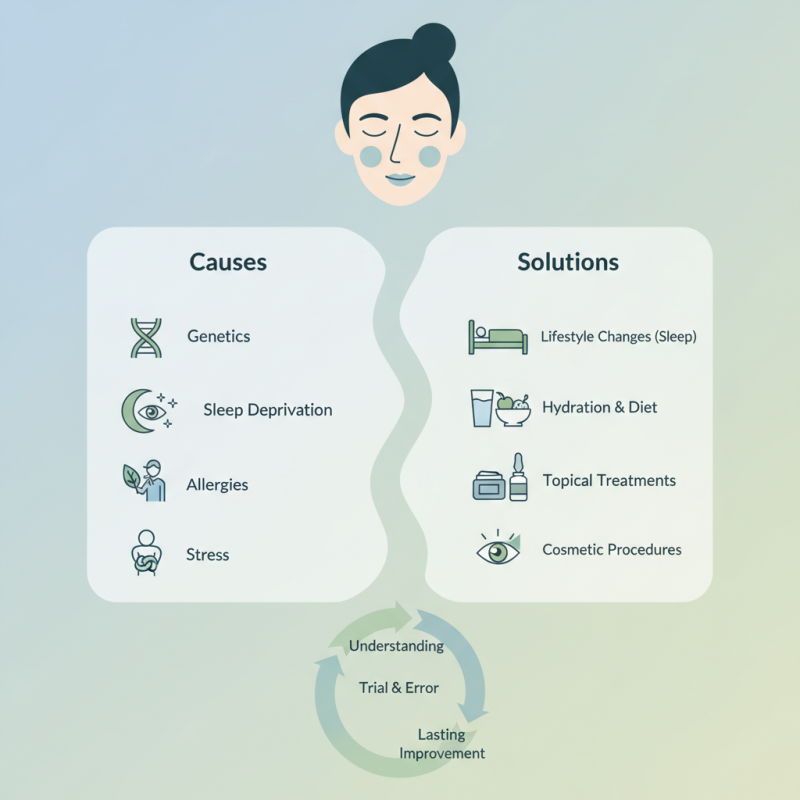
Dark circles under the eyes can be a frustrating cosmetic issue. Many factors contribute to their appearance. One primary cause is genetics. If your family members have dark circles, chances are you might too. Another factor is aging. As we get older, skin loses collagen, leading to thinner skin around the eyes. This makes blood vessels more prominent, creating a dark shadow.
Lifestyle choices play a significant role. Poor sleep habits can lead to fluid retention, which exacerbates the darkness. Diet is crucial too. A lack of essential nutrients can worsen the condition. Stress and allergies also contribute by causing inflammation, which accentuates dark circles.
**Tips:** Focus on getting quality sleep each night. Aim for seven to eight hours. Stay hydrated to improve skin texture. Incorporate foods rich in vitamins C and K into your diet. These nutrients help strengthen blood vessels and brighten the area. Consider cold compresses to reduce puffiness during the day. Even a simple routine can show improvement over time.
Dark circles under the eyes can often be traced back to genetics and family history. Research shows that around 60% of individuals with dark circles have a family member with the same issue. This strong correlation suggests a hereditary factor influencing skin pigmentation and blood vessel visibility. When skin thins with age, these genetic predispositions can become more pronounced, making dark circles more visible.
Inherited traits can include having a thinner dermis or increased melanin production. Specific ethnic backgrounds can also play a crucial role. For instance, individuals of Asian or Mediterranean descent may be more prone to hyperpigmentation around the eyes. The thickness of the skin and its structural integrity are often determined by genetics, leading to variations in how dark circles develop from person to person.
Moreover, lifestyle factors do intertwine with genetics. Poor sleep and dehydration can exacerbate the appearance of dark circles, regardless of genetic predisposition. Awareness of these influences allows individuals to make informed choices about their skin health. Embracing a comprehensive approach that includes hydration, proper sleep, and skincare may offer better results.
Dark circles under the eyes can be unsettling and are often linked to lifestyle factors. Sleep deprivation is a significant contributor. When you miss out on sleep, your body struggles to rejuvenate itself. This lack of rest can lead to a dull complexion and prominent dark circles. It’s important to prioritize quality sleep to help your skin recover.
Diet also plays an essential role in eye health. A diet low in essential nutrients can exacerbate the appearance of dark circles. Lack of vitamins, particularly vitamin K and vitamin C, can prevent proper circulation in the skin. Dehydration can worsen the situation as well. Drinking enough water each day is crucial. It may seem simple, but many overlook it.
Stress and fatigue, often tied to busy lifestyles, can also contribute to dark circles. Finding time to unwind is vital. Incorporating relaxation techniques could help improve your sleep quality and overall appearance. Reflecting on daily habits can lead to better choices. Making small adjustments can make a noticeable difference.
| Lifestyle Factors | Impact on Eye Health | Recommendations for Improvement |
|---|---|---|
| Sleep Deprivation | Causes blood vessel dilation, leading to darker circles | Aim for 7-9 hours of quality sleep per night |
| Poor Diet | Nutrient deficiencies can lead to pale skin, emphasizing dark circles | Include vitamins C and K, iron and hydration in your diet |
| Allergies | Can cause puffy eyes and dark circles due to inflammation | Manage allergies with appropriate medication and avoid triggers |
| Stress | May affect sleep quality and skin health | Practice stress management through relaxation techniques or hobbies |
| Aging | Loss of collagen and elasticity can lead to thinner skin | Use skincare products with retinol and antioxidants |
As we age, our skin undergoes significant changes. The once-firm skin around our eyes becomes thinner. This thinning allows blood vessels to show more prominently, leading to dark circles.
Circulation also slows down with age. Reduced blood flow can exacerbate the appearance of shadows under the eyes. These factors together create a tired look, even when you feel well-rested.
Moreover, elasticity diminishes due to decreased collagen production. Fine lines set in, making dark circles more noticeable. Lifestyle factors like poor diet and lack of hydration also contribute. Wrinkles clash with dark circles, adding to an overall aged appearance. While some remedies exist, results can vary. Skincare products often provide limited improvements. It's essential to have realistic expectations.
Prioritizing a healthy lifestyle can support skin health. The combination of hydration, diet, and good sleep is vital.
Dark circles under the eyes can arise from several causes, such as genetics, allergies, and lifestyle factors. Treatment options vary widely, from simple home remedies to more professional interventions. Home remedies include applying cold compresses. They can constrict blood vessels and reduce the appearance of dark circles. According to a study published in the Journal of Clinical Aesthetic Dermatology, nearly 40% of participants reported improvement using cold compresses.
For those seeking more comprehensive solutions, professional treatments exist. Chemical peels and laser therapy, for instance, can target pigmentation and promote skin renewal. Statistics show that results from laser treatments last an average of 12 to 18 months. However, these solutions may not be ideal for everyone. Side effects are possible and must be considered.
Lifestyle adjustments play a crucial role as well. Maintaining hydration and getting adequate sleep may help alleviate some dark circles. An article in the American Journal of Epidemiology revealed that inadequate sleep can exacerbate skin issues, impacting up to 30% of the population. While these options can be effective, not every method guarantees results. Individual responses vary, making it essential to approach treatment with realistic expectations and a willingness to try different solutions.
This chart represents the various causes of dark circles under the eyes, along with their approximate percentages based on common observations. Understanding these factors can help in choosing the right remedies, whether they be home remedies or professional treatments.
: Dark circles can be caused by genetics, aging, lifestyle choices, and nutritional deficiencies.
As we age, skin loses collagen, which thins the skin and makes blood vessels more visible.
Yes, poor sleep, dehydration, and unhealthy diets can worsen the appearance of dark circles.
A diet lacking essential nutrients can lead to more prominent dark circles. Vitamins C and K are particularly beneficial.
Not getting quality sleep can cause fluid retention, which makes dark circles more noticeable.
Yes, dark circles often run in families. About 60% of those with dark circles have relatives with the same issue.
Ensure you get 7-8 hours of sleep, stay hydrated, and use cold compresses to reduce puffiness.
Yes, individuals of Asian or Mediterranean descent may be more susceptible to hyperpigmentation around the eyes.
Absolutely. Stress can cause inflammation, which may accentuate the appearance of dark circles.
With a consistent routine focusing on hydration, nutrition, and quality sleep, you might see improvements.
Dark circles under the eyes are a common cosmetic concern, with various factors contributing to their formation. Understanding what causes dark circles under the eyes is essential. Genetics play a significant role, as family history can influence skin thickness and pigmentation around the eyes. Additionally, lifestyle factors such as sleep deprivation and poor diet can exacerbate the appearance of dark circles by affecting overall eye health and circulation.
As we age, changes in skin elasticity and circulation can create a more pronounced appearance of dark circles. Numerous treatment options are available, ranging from simple home remedies to professional interventions that can help reduce the visibility of dark circles. By addressing the underlying causes and incorporating effective solutions, individuals can significantly improve the appearance of this common concern.

AJD Skincare