Cracked, peeling lips can make a simple smile feel tight, sore, and surprisingly frustrating. In 2026, understanding what causes lips to crack or peel matters more than chasing another overnight balm. Cold wind, dry indoor heating, sun exposure, dehydration, and repeated lip licking can all damage the delicate lip barrier. Fragrance, menthol, cinnamon flavoring, and some cosmetic ingredients may also trigger irritation or allergic contact dermatitis.
Board-certified dermatologist Dr. Joshua Zeichner has warned, “Licking your lips can actually make them more dry.” Saliva evaporates quickly, leaving the surface drier than before. It can create a quiet cycle: tightness, licking, temporary relief, and renewed peeling. That detail is easy to miss. It also explains why a product may seem ineffective when the habit continues.
This guide will examine practical ways to stop lips from cracking and peeling, including gentle cleansing, petrolatum-based protection, broad-spectrum lip sunscreen, and better hydration habits. It will also separate ordinary dryness from warning signs, such as bleeding, persistent swelling, crusting, or cracks at the mouth corners. Those symptoms may need assessment by a dermatologist or another qualified healthcare professional.
No routine works perfectly for everyone. I would not blame weather alone. A new toothpaste, medication, or lip product could be involved. Patch testing and careful product tracking may reveal patterns, although home experiments are not a diagnosis. The aim is simple: reduce irritation, rebuild the barrier, and recognize when professional advice is more sensible than another layer of balm.
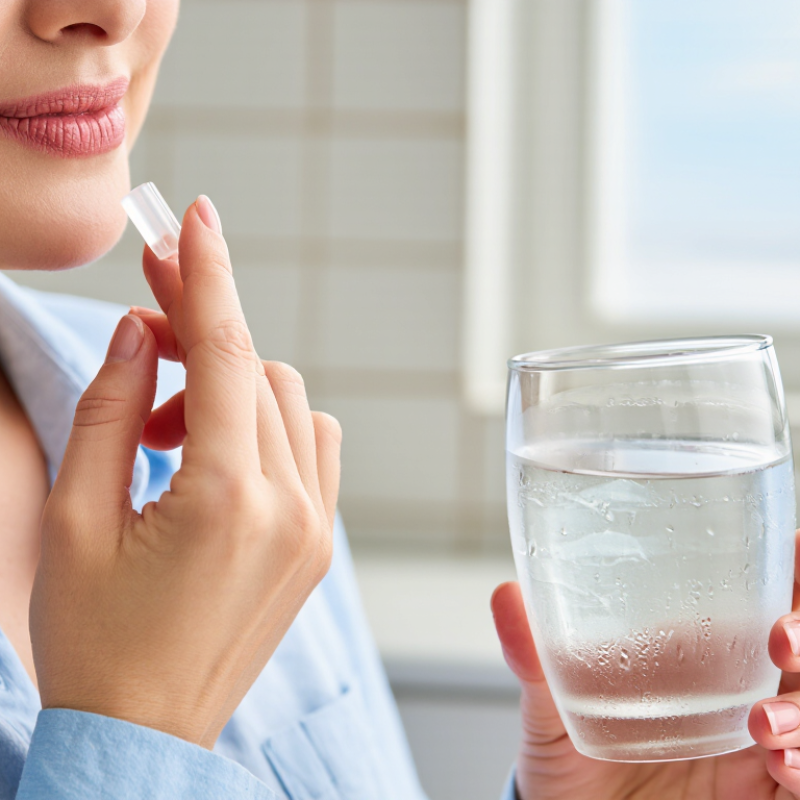
Cracked lips often begin with dry air, cold wind, indoor heating, or strong sunlight. These conditions remove moisture from the thin skin covering your lips. Frequent lip licking can make the problem worse. Saliva evaporates quickly and leaves the surface even drier.
A common mistake is blaming dehydration alone. Not drinking enough water may contribute, but irritation is often more important. Fragrances, flavoring agents, harsh cosmetics, and certain toothpaste ingredients can trigger peeling or burning. Biting, picking, and rubbing the flakes also delay healing. Some people develop contact dermatitis after repeated exposure to an irritating product.
Persistent cracking deserves closer attention. Redness at the corners may suggest angular cheilitis, while swelling, blisters, or crusting can point to infection or another skin condition. Less commonly, nutritional deficiencies, medication effects, or chronic sun damage may be involved. Dermatology guidance recommends medical evaluation when symptoms last more than two weeks, bleed repeatedly, or keep returning. I used to think peeling simply meant the skin was “healing,” but that assumption can hide ongoing irritation. Careful observation matters: note new products, weather changes, lip habits, and symptoms around the mouth.
Cracked lips do not always mean simple dryness. Identify the pattern before choosing a remedy. Dryness usually affects the central lip surface, causing fine flakes, tightness, and shallow splits. Cold air, wind, dehydration, lip licking, or indoor heating may trigger it. The skin often feels rough but not intensely swollen. Check in daylight. A common mistake is treating every flaky lip as dryness; that assumption deserves reconsideration.
Redness, burning, itching, or repeated peeling may suggest irritant or allergic cheilitis. Think about recent toothpaste, cosmetics, foods, or flavored lip products. Angular cheilitis appears mainly in the corners. Those areas may look soggy, cracked, crusted, or painful when opening the mouth. Saliva irritation, yeast, bacteria, or nutritional problems can contribute. Guessing may delay proper care. Do not scrape the flakes.
Severity matters more than appearance alone. Mild damage has limited flaking and improves after removing irritants and protecting the area. Moderate damage includes bleeding fissures, tender swelling, or symptoms lasting beyond two weeks. Severe or concerning signs include spreading redness, pus, blisters, fever, persistent ulceration, or a firm rough patch. A dermatologist or qualified clinician should assess these findings. Sun-exposed, scaly patches deserve particular attention because chronic ultraviolet exposure can damage the lip. Photographs can track changes, though they cannot replace an examination. That distinction is easy to miss.
Daily moisture works better than occasional rescue.
Apply a fragrance-free ointment after brushing, eating, and washing your face. Choose petrolatum, mineral oil, or ceramides when possible. The American Academy of Dermatology recommends these ingredients for chapped lips and advises avoiding menthol, camphor, and strong flavors. Keep the layer visible, especially before sleep. A thin morning coating often disappears too quickly.
Protect your lips outdoors.
The U.S. Food and Drug Administration recognizes broad-spectrum sunscreen as protection against UVA and UVB radiation. Use an SPF 30 lip product, then reapply every two hours outside, or sooner after eating. A hat helps, but it does not replace topical protection.
Do not lick peeling skin.
Saliva evaporates and removes surface moisture, creating a repeated dry-wet cycle. I still catch myself doing it during stressful work. That habit is harder to change than expected. Drink normally, but do not rely on extra water alone to repair damaged lips.
If cracks bleed, become swollen, or remain painful beyond two weeks, seek a qualified healthcare professional. Recurrent peeling may reflect irritation, allergy, medication effects, or another condition. The AAD also recommends stopping any product that stings, even if it claims to be “healing.” Less is sometimes safer.
How to Stop Lips From Cracking and Peeling in 2026?
Dry air, cold wind, indoor heating, and frequent lip licking can strip moisture from the lip surface. Saliva evaporates quickly and leaves lips tighter than before. A thick, fragrance-free balm can create a protective seal. Look for petrolatum, mineral oil, dimethicone, ceramides, or shea butter. Glycerin may help when covered by an occlusive layer. During daylight, use lip protection with zinc oxide or titanium dioxide and SPF 30 or higher.
Some ingredients feel refreshing but may worsen irritation. Menthol, camphor, eucalyptus, cinnamon flavor, citrus oils, and strong fragrances can trigger burning or peeling. Scrubbing flakes away often creates tiny injuries. Picking does too. Avoid it. Reapply balm after eating, brushing your teeth, and washing your face. A humidifier may help in a dry bedroom, although cleaning it regularly matters. Drinking more water is sensible, but it is not a complete cure. I used to overfocus on hydration and overlook toothpaste, mouth breathing, and habitual licking.
If cracking continues for two or three weeks, or appears mainly at the mouth corners, seek medical advice. Persistent peeling can involve eczema, contact allergy, infection, or medication effects. Stop any product that stings repeatedly. “Natural” does not always mean gentle. A simple routine may work better, even if it feels less satisfying than trying several products at once.
| Ingredient or Habit | Typical Effect | Why It May Help or Worsen Chapping | Practical Guidance | Evidence or Safety Notes |
|---|---|---|---|---|
| Petrolatum or other plain occlusive ointments | Generally helpful | Creates a protective barrier that reduces water loss from the outer layer of the lips. | Apply a thin layer several times daily and use a generous layer before bed, especially after eating or washing the face. | Occlusive ointments are commonly recommended for uncomplicated dry, chapped lips. |
| Ceramides | Generally helpful | Support the skin barrier and may reduce dryness when included in a fragrance-free lip product. | Choose a simple product containing ceramides, particularly if the lips are persistently dry or sensitive. | Barrier-supporting ingredients can be useful, although individual product formulas vary. |
| Dimethicone | Generally helpful | Forms a lightweight protective film that helps limit irritation and moisture loss. | Use in a fragrance-free balm or ointment and reapply when the lips feel tight. | Often used as a skin protectant; irritation is uncommon but possible. |
| Beeswax or plant waxes | May help | Can add an occlusive layer and improve the product’s staying power. | Use only if the formula does not contain fragrance, flavoring, or other ingredients that cause burning or redness. | Wax itself is not a guaranteed treatment; sensitivity to bee-related ingredients can occur. |
| Humectants such as glycerin | May help | Attract water to the outer skin layer, helping improve the feel of dryness when combined with an occlusive. | Prefer formulas that combine a humectant with petrolatum, dimethicone, or another barrier-forming ingredient. | Humectants work best in a balanced formula; very dry environments may require an occlusive layer. |
| Broad-spectrum sunscreen for the lips | Helpful for prevention | Reduces ultraviolet exposure, which can worsen dryness and contribute to long-term lip damage. | Use a lip sunscreen with SPF 30 or higher outdoors and reapply at least every two hours, or after eating and drinking. | Sun protection is recommended for exposed skin, including the lips. |
| Fragrance and flavoring ingredients | May worsen | These can trigger irritation or allergic contact cheilitis, especially on already damaged lips. | Choose fragrance-free and flavor-free products while the lips heal; stop any product that causes burning, itching, or swelling. | Common irritants and allergens include flavoring compounds and scented additives. |
| Menthol, camphor, and eucalyptus | May worsen | The cooling sensation can mask irritation while these ingredients may increase dryness or stinging in sensitive lips. | Avoid them during a flare of cracking, peeling, burning, or redness. | Cooling does not necessarily mean healing; irritation can delay barrier recovery. |
| Phenol, salicylic acid, and strong exfoliating products | May worsen | Can remove surface skin or irritate the protective barrier when used on already cracked lips. | Do not scrub, peel, or chemically exfoliate chapped lips. Allow loose skin to shed naturally. | Damaged skin is more vulnerable to irritation from exfoliating and keratolytic ingredients. |
| Lip licking, biting, or picking | Worsens | Saliva evaporates quickly and can leave the lips drier; biting and picking cause additional mechanical injury. | Apply a bland ointment instead and use a reminder habit whenever you notice lip licking or picking. | Repeated wetting, drying, and trauma can maintain a cycle of irritation. |
| Cold, dry, or windy weather | Worsens risk | Low humidity and wind increase water loss and can damage the outer lip barrier. | Cover the lower face in cold or windy conditions and apply an ointment before going outdoors. | Environmental exposure is a frequent contributor to chapped lips. |
| Indoor heating or air conditioning | Can worsen | Dry indoor air may increase moisture loss from the lips. | Use a clean humidifier if the indoor air is very dry, and continue regular lip protection. | Humidifiers require regular cleaning to reduce the risk of microbial contamination. |
| Frequent exposure to saliva, toothpaste, or spicy foods | Potential irritants | Saliva, cleansing ingredients, acids, and spices may irritate cracked skin or the corners of the mouth. | Rinse gently with water after meals, avoid foods that sting during healing, and keep toothpaste from remaining on the lips. | Irritant contact dermatitis may be more noticeable when the skin barrier is already disrupted. |
| Drinking enough fluids | Supports health | Maintaining normal hydration supports overall body function, although drinking excessive water does not directly cure chapped lips. | Drink according to thirst and personal medical guidance; do not rely on water alone to treat lip dryness. | Most uncomplicated chapping is managed with barrier protection and trigger avoidance rather than excess fluid intake. |
| Vitamin or mineral supplements | Not routine treatment | Deficiencies can sometimes contribute to mouth or lip changes, but supplements are unlikely to help if no deficiency exists. | Do not take high-dose supplements solely for chapped lips. Seek medical advice if symptoms are persistent or recurrent. | Targeted testing and treatment should be guided by a qualified healthcare professional. |
| Persistent cracking at the corners of the mouth | Needs assessment | May be associated with saliva irritation, yeast or bacterial overgrowth, contact allergy, or nutritional and medical conditions. | Arrange a clinical evaluation if the corners remain sore, crusted, swollen, or repeatedly split. | Angular cheilitis can require treatment directed at the underlying cause. |
When to seek medical advice: Consult a healthcare professional if cracking lasts more than two to three weeks, frequently returns, bleeds, becomes painful or infected, or is accompanied by significant swelling, sores, or unexplained changes.
How to Stop Lips From Cracking and Peeling in 2026?
Persistent lip peeling deserves more attention than ordinary dryness. If flaking continues beyond two weeks, arrange a medical evaluation. Seek care sooner for bleeding, open sores, severe pain, swelling, pus, or repeated crusting. A sore that does not heal needs prompt assessment.
Several conditions can cause stubborn peeling. Lip licking, saliva, cold air, dehydration, and irritating toothpaste may damage the skin barrier. Allergic reactions, eczema, yeast infection, medication effects, or actinic cheilitis can also be involved. Actinic cheilitis is linked to long-term sun exposure and may affect the lower lip. It should not be ignored.
Until you are examined, stop peeling the loose skin. Apply a plain, fragrance-free ointment several times daily, especially after eating and before sleep. Avoid flavored balms, scrubs, menthol, and products that sting. Protect your lips from wind and sunlight. Keep a simple note of triggers, products, and symptom changes.
Do not rely on home care forever.
A clinician may inspect your lips, review allergies and medicines, or test for infection. Persistent peeling is sometimes mistaken for dryness, including by patients who have tried every remedy. I have learned that “natural” does not always mean gentle. A healthcare professional can identify the cause and recommend treatment before cracking becomes painful or recurrent.
How to read the chart: Begin gentle self-care as soon as symptoms appear. If your lips are not improving after approximately 2–3 weeks, arrange a medical evaluation. Seek same-day care for severe swelling, trouble breathing or swallowing, spreading redness, pus, or rapidly worsening pain.
Helpful measures include applying a bland, fragrance-free ointment frequently, avoiding lip licking and picking, protecting lips from wind and sun, and stopping products that sting or contain fragrance, flavoring, menthol, camphor, or exfoliating ingredients. Persistent peeling can also be related to allergic contact dermatitis, infection, medication effects, or other medical conditions.
General dermatology guidance: seek professional advice when chapped lips do not improve within 2–3 weeks or when warning signs appear.
Dry air, cold wind, indoor heating, and strong sunlight can remove moisture from delicate lip skin. Lip licking often makes dryness worse.
Not always. Dehydration may contribute, but irritation from toothpaste, cosmetics, flavors, or fragrances is often more important.
Saliva evaporates quickly and removes surface moisture. Repeated licking can create a cycle of dampness, dryness, and further peeling.
Simple dryness causes tightness, roughness, fine flakes, and shallow splits. Burning, itching, redness, or repeated peeling may indicate irritation or allergy.
Do not pick, bite, rub, or scrape it. Apply a plain, fragrance-free ointment after eating and before sleep.
Avoid flavored balms, menthol, scrubs, fragrances, and anything that stings. Gentle is better. I used to assume natural products were always harmless.
Cracked corners may indicate angular cheilitis. Saliva irritation, yeast, bacteria, or nutritional problems can contribute, so guessing may delay proper care.
Arrange an evaluation if peeling lasts over two weeks, repeatedly bleeds, or keeps returning. Seek care sooner for pus, blisters, fever, severe pain, or swelling.
Yes. Chronic ultraviolet exposure can create persistent rough, scaly patches, especially on the lower lip. Do not ignore a sore that will not heal.
Note new products, toothpaste changes, weather exposure, lip-licking habits, bleeding, swelling, and symptom duration. Photographs can show changes, but they cannot replace examination.
Cracked and peeling lips can result from dry air, dehydration, frequent lip licking, sun or wind exposure, irritation from certain products, and habits that weaken the skin barrier. Understanding what causes lips to crack or peel makes it easier to choose the right care. Mild dryness may appear as tightness or small flakes, while redness, swelling, bleeding, pain, or recurring sores may indicate more serious irritation or an underlying condition.
A simple daily routine can support healing: drink enough water, apply a gentle fragrance-free moisturizing balm regularly, protect the lips from weather, and avoid picking or licking peeling skin. Ingredients that help include occlusive moisturizers and soothing emollients, while fragrances, strong flavors, exfoliating acids, and irritating cosmetics may worsen symptoms. If peeling continues despite consistent care, spreads beyond the lips, becomes painful, or is accompanied by swelling, crusting, or frequent bleeding, seek medical advice to identify possible allergies, infection, nutritional concerns, or other conditions.

AJD Skincare