In 2026, understanding how to keep the eye area hydrated is more critical than ever. The delicate skin around the eyes is prone to dryness and signs of aging. According to a recent report by the American Academy of Dermatology, around 75% of individuals experience issues related to eye hydration as they age. Dr. Emily Chen, a leading expert in dermatology, emphasizes, "Proper hydration is the foundation for youthful eyes."
The eye area requires special attention due to its thin skin, which can quickly lose moisture. Traditional products may not suffice. Natural hydration methods can be effective alternatives. Hydrating ingredients like hyaluronic acid and aloe vera promote moisture retention. However, there is a continuous need for education on these natural remedies.
As the industry evolves, the challenge remains to balance effectiveness and safety. With increased awareness of quality and ingredient integrity, consumers can make informed choices. The quest for how to keep the eye area hydrated may demand constant adjustment and learning. Understanding what works best for individual skin types is crucial for achieving lasting results.
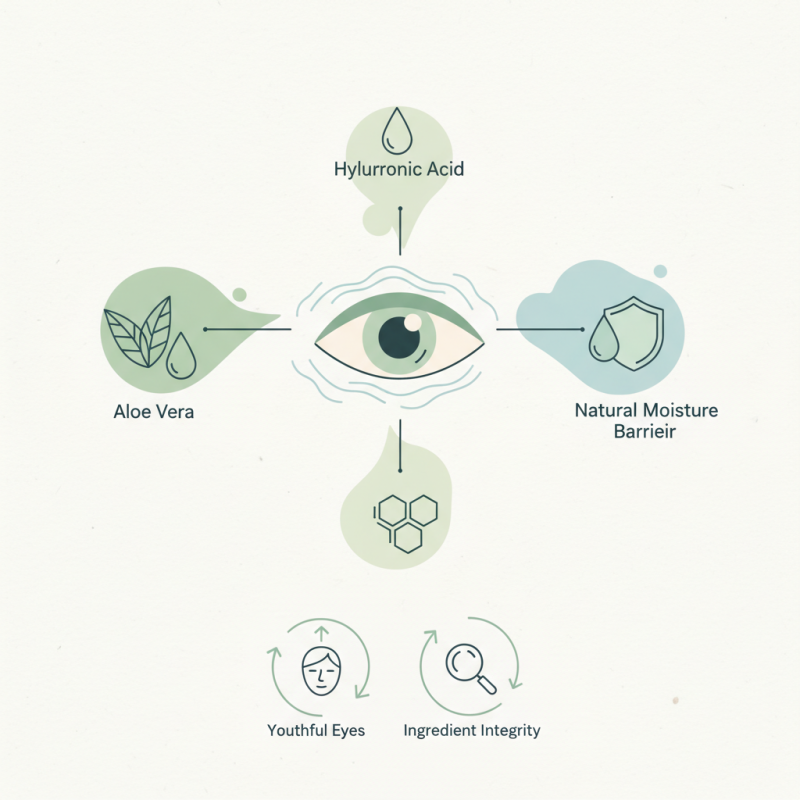
Natural Ingredients for Eye Area Hydration: A 2026 Perspective
The eye area is delicate and prone to dehydration. In 2026, the focus on natural ingredients for hydration is paramount. Hyaluronic acid has gained popularity due to its ability to retain moisture, holding up to 1,000 times its weight in water. According to a recent industry report by Grand View Research, the global demand for natural skincare ingredients is projected to grow by 8.2% annually. This trend is driven by consumers seeking safer and more effective solutions.
Incorporating ingredients like aloe vera and chamomile can significantly soothe and hydrate. A study from the Journal of Cosmetic Dermatology highlighted that aloe vera improved skin hydration levels by 25% over four weeks. Additionally, chamomile’s anti-inflammatory properties can reduce puffiness around the eyes. Understanding which natural compounds work best might take trial and error, as individual skin responses vary.
Essential oils, such as lavender, can also promote hydration. However, they should be diluted properly. Not everyone responds the same way to essential oils, and patch testing is advised. As we navigate these choices in 2026, the importance of personalization cannot be overlooked. The right blend of natural ingredients can lead to healthier, more hydrated skin around the eyes.
Natural Ingredients for Eye Area Hydration in 2026
Daily Habits to Enhance Eye Area Moisture Naturally in 2026
The delicate skin around the eyes requires consistent care to maintain moisture effectively. In 2026, daily habits will play a crucial role in enhancing the eye area's hydration. Incorporating natural ingredients can boost skin vitality. For example, studies show that using plant-based oils can significantly improve skin hydration. A 2023 report from the Journal of Cosmetic Dermatology found that almond oil increases moisture levels by up to 40% when applied regularly.
In addition to using oils, incorporating hydration-focused foods into your diet is essential. Foods rich in omega-3 fatty acids, like walnuts and salmon, can help improve skin barrier function. This barrier is crucial for retaining moisture. The American Journal of Clinical Nutrition reported that a diet high in antioxidants can also support skin health. Blueberries, spinach, and green tea should be staples in your diet.
Moreover, staying hydrated is vital. The skin can lose moisture quickly, especially in dry climates. Drinking enough water daily can make a noticeable difference. However, not everyone remembers to hydrate adequately. While beauty routines often focus on topical solutions, we must not overlook the internal factors.
Balancing hydration from within might require conscious effort and consistent reminders to drink water throughout the day.
Hydrating Foods to Include in Your Diet for Eye Health in 2026
The importance of hydration for eye health cannot be overstated. In 2026, incorporating hydrating foods into your diet can significantly impact the delicate eye area. Foods rich in omega-3 fatty acids, such as walnuts and flaxseeds, help maintain moisture levels. According to the National Eye Institute, diets deficient in these nutrients can lead to dryness and discomfort.
Fruits and vegetables are essential for keeping the eye area hydrated. Cucumbers and watermelon possess high water content, making them great choices. They provide hydration without added calories. A study from the Journal of Nutrition indicates that people who consume plenty of fruits and vegetables have better eye health. Colorful produce, like carrots and spinach, is rich in antioxidants, which help reduce eye strain.
Opting for herbal teas, especially those rich in antioxidants, can also contribute to hydration. They may support eye health alongside a balanced diet. Still, relying solely on dietary choices may not suffice. It’s crucial to combine food intake with proper hydration practices, like drinking enough water. Reflecting on these strategies can help in achieving optimal eye health as we navigate 2026.
DIY Eye Cream Recipes for Natural Hydration in 2026
Keeping the eye area hydrated is essential, especially as we enter 2026. Dry skin around the eyes can lead to premature aging. Fortunately, making your own eye cream is simple. You can use natural ingredients to bring moisture back to this delicate area.
A basic recipe includes coconut oil, shea butter, and aloe vera. Mix one tablespoon of coconut oil and half a tablespoon of shea butter in a clean bowl. Melt them together until blended. Allow it to cool, then add half a tablespoon of aloe vera. This mixture is nourishing and helps combat dryness.
Here are some tips for effective hydration: Use this cream daily, especially before bed. Applying it at night allows your skin to absorb the nutrients while you sleep. Also, consider using a cool eye mask in the morning. It refreshes and plumps the under-eye area. Remember, consistency is key.
If you notice your skin reacting negatively, pause and adjust your ingredients. Sometimes, natural isn't always ideal for everyone. Reflect on how your skin feels with each application. You might need to tweak the proportions. It's all part of the process in creating your perfect natural eye cream.
How to Keep the Eye Area Hydrated Naturally in 2026? - DIY Eye Cream Recipes for Natural Hydration in 2026
| Ingredient |
Benefits |
DIY Recipe |
Application Tips |
| Coconut Oil |
Moisturizing, anti-inflammatory |
Mix 2 tbsp coconut oil with 1 tbsp almond oil |
Apply gently with fingertips, evening routine |
| Aloe Vera |
Hydrating, soothing |
Combine 3 tbsp aloe vera gel with 1 tsp honey |
Apply a thin layer, leave on for 15 minutes |
| Jojoba Oil |
Balancing oil production, moisturizing |
Mix 1 tbsp jojoba oil with 5 drops of vitamin E |
Apply at night with gentle massaging |
| Green Tea |
Antioxidant, reduces puffiness |
Brew 1 green tea bag, cool and mix with 1 tbsp aloe vera |
Soak cotton pads and place over eyes for 10 minutes |
| Shea Butter |
Deeply moisturizing, rich in vitamins |
Whip 2 tbsp shea butter with 1 tbsp olive oil |
Use sparingly, great for night application |
Mindfulness and Sleep: Their Role in Eye Area Hydration in 2026
In 2026, mindfulness and sleep are essential for maintaining hydration in the eye area. Studies highlight that nearly 60% of adults struggle with sleep quality. Poor sleep can lead to dry skin and dark circles around the eyes. The National Sleep Foundation suggests that adults need 7-9 hours of sleep for optimal health. Lack of quality rest disrupts hydration levels, making the eye area more susceptible to dryness.
Mindfulness practices, such as meditation and deep breathing, also impact hydration. A report from the American Psychological Association indicates that mindfulness can reduce stress levels significantly. High stress often correlates with dehydration. Incorporating simple mindfulness routines can enhance the body’s ability to retain moisture. Simple exercises, like focusing on breath for a few minutes daily, have been shown to improve overall hydration.
However, achieving the perfect balance of sleep and mindfulness is challenging for many. Not everyone can practice mindfulness consistently. Sleep patterns can be disrupted by various life factors. Balancing these aspects requires ongoing effort. Improving hydration naturally in the eye area is a journey, not a quick fix.
FAQS
: Natural ingredients like hyaluronic acid, aloe vera, and chamomile are effective for hydration.
Hyaluronic acid retains moisture, holding up to 1,000 times its weight in water.
Consistent care and incorporating hydrating foods into your diet can help improve moisture levels.
Foods rich in omega-3 fatty acids, like walnuts and salmon, improve skin moisture retention.
Essential oils, like lavender, promote hydration but should be used cautiously and diluted.
Patch testing is crucial as individuals may have different reactions to essential oils.
Staying hydrated helps maintain skin moisture, especially in dry environments.
A diet high in antioxidants, including blueberries and spinach, supports overall skin health.
Yes, using oils like almond oil can increase hydration levels by up to 40% over time.
Set reminders or create habits to remind yourself to drink enough water daily.
Conclusion
In 2026, understanding how to keep the eye area hydrated naturally is more important than ever. Utilizing natural ingredients such as aloe vera, coconut oil, and hyaluronic acid can significantly enhance moisture levels. Daily habits like proper hydration, limiting screen time, and practicing eye-specific exercises contribute to maintaining a healthy, hydrated eye area. Incorporating hydrating foods like cucumbers, berries, and leafy greens into your diet supports overall eye health.
Moreover, DIY eye cream recipes utilizing these natural ingredients empower individuals to customize their skincare routines. Mindfulness practices and ensuring adequate sleep are also crucial, as they help reduce stress and fatigue, promoting natural hydration. By integrating these strategies, one can effectively learn how to keep the eye area hydrated while embracing a holistic approach to eye care in 2026.

 AJD Skincare