In today's fast-paced world, tired eyes have become a common issue for many. The increased screen time from work and leisure affects our eye health. To combat this, understanding how to reduce the appearance of tired eyes is essential. Dr. Emily Wong, a renowned ophthalmologist, states, “Taking short breaks and using cold compresses can significantly refresh the eyes.”
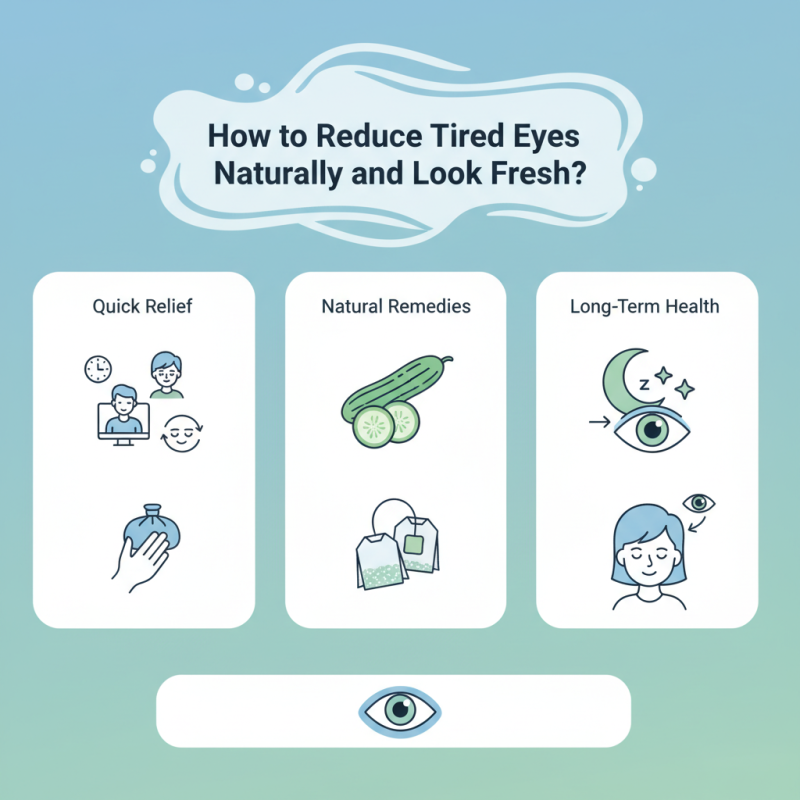
Natural remedies offer a promising approach. Simple techniques, like using cucumber slices or tea bags, can help soothe tired eyes. These methods are reliable and uncomplicated. However, the effectiveness of these solutions may vary from person to person. It’s crucial to experiment and find what truly works for you.
While we can adopt various techniques, consistency is key. Many overlook the importance of a regular sleep schedule. Neglecting adequate rest can negate even the best remedies. An honest reflection on your habits may reveal changes needed for more vibrant eyes. By prioritizing eye health, we can enhance our overall appearance and well-being.
Understanding the Causes of Tired Eyes and Fatigue
Tired eyes and fatigue are common issues in today's digital world. A report from the American Academy of Ophthalmology indicates that nearly 60% of adults experience symptoms of eye strain, largely due to prolonged screen time. This strain often leads to redness, itchiness, and a general feeling of tiredness in the eyes. Understanding these causes is crucial in addressing the discomfort effectively.
Factors contributing to tired eyes include insufficient sleep, poor lighting, and excessive screen exposure. The Vision Council highlights that adults spend an average of 7.5 hours in front of screens daily. This extended exposure often weakens the eye's ability to focus, leading to visual fatigue. Surprisingly, emotional stress can also exacerbate fatigue, manifesting as physical discomfort in the eyes. The brain and eyes work closely together, highlighting the connection between mental vitality and visual health.
While it's easy to overlook eye care, small adjustments can make a significant difference. Frequent breaks, proper lighting, and staying hydrated can help mitigate symptoms. Focusing on foundational habits can address the underlying causes of tired eyes. Many underestimate the importance of these changes, yet they can lead to noticeable improvements in overall eye comfort and energy levels.
How to Reduce Tired Eyes Naturally and Look Fresh?
This chart illustrates the average percentage of individuals who experience various causes of tired eyes, highlighting the most common factors contributing to fatigue.
Natural Remedies to Soothe and Refresh Tired Eyes
Tired eyes can be a common issue, especially with today’s screen-heavy lifestyles. According to a report by the Vision Council, approximately
60% of adults experience symptoms of digital eye strain, including dryness and fatigue. Natural remedies can play a critical role in alleviating these symptoms and revitalizing your appearance.
One effective method is cold compresses. Soaking a clean cloth in cold water and applying it to closed eyes can reduce puffiness and refresh tired eyes. This technique works because cold constricts blood vessels, which can diminish swelling. Additionally, chamomile tea bags, when cooled, can provide anti-inflammatory benefits. They are rich in antioxidants, helping to soothe irritation and promote relaxation.
Another remedy is to ensure proper hydration. A study published in the “Journal of Ophthalmology” suggests that drinking sufficient water can improve eye moisture and reduce dryness. Keeping your environment humid can also help. When humidity levels drop, our eyes tend to feel dryer, leading to discomfort. Consider using a humidifier during dry seasons to create a more eye-friendly atmosphere. While these solutions can help, they may not fix every issue. Listening to your body’s needs is essential for long-term improvement.
Incorporating Eye Exercises Into Your Daily Routine
Incorporating eye exercises into your daily routine can significantly reduce tired eyes. People often overlook how their screen time affects eye health. Simple exercises can help alleviate strain caused by prolonged computer use or reading. For instance, the "20-20-20" rule suggests that every 20 minutes, you should look at something 20 feet away for 20 seconds. This practice allows your eye muscles to relax, reducing fatigue.
Another effective exercise involves blinking more frequently. Many people forget to blink while focusing on screens, leading to dryness. Practicing rapid blinking can encourage moisture production in your eyes. Additionally, try rolling your eyes in circles, which helps improve blood circulation. These exercises are easy to integrate into your day.
However, it’s important to acknowledge that consistency is key. Occasionally, you might forget to pause for these exercises. In those moments, reflect on how your eyes feel. Are they dry or strained? Recognizing these signs is vital. Commit to making eye exercises a non-negotiable part of your routine, and over time, you'll likely notice a refreshing difference in how your eyes feel.
How to Reduce Tired Eyes Naturally and Look Fresh? - Incorporating Eye Exercises Into Your Daily Routine
| Eye Exercise |
Duration |
Benefits |
Frequency |
| Palming |
2-3 minutes |
Relaxes eye muscles, reduces strain |
3 times a day |
| 20-20-20 rule |
20 seconds |
Helps prevent digital eye strain |
Every 20 minutes |
| Blinking |
5 seconds |
Keeps eyes moist and comfortable |
Regularly during screen use |
| Focus Change |
2 minutes |
Enhances focus flexibility and reduces fatigue |
2-3 times a day |
| Eye Rolling |
1 minute |
Improves circulation and relieves fatigue |
2-3 times a day |
The Role of Hydration and Nutrition in Eye Health
Proper hydration and nutrition play vital roles in maintaining optimal eye health. Research indicates that dehydration can lead to symptoms such as dry, fatigued eyes. The American Academy of Ophthalmology emphasizes the importance of drinking enough water daily. Adults should aim for at least 8 cups, though individual needs vary based on activity levels and climate. Studies suggest even mild dehydration can impair visual performance, making hydration crucial for preventing tired eyes.
Nutrition also significantly influences eye health. Diets rich in antioxidants support retinal function. Nutrients like lutein and zeaxanthin, found in leafy greens and colorful fruits, help filter harmful blue light. Additionally, omega-3 fatty acids, abundant in fish, promote tear production and reduce dryness. The National Eye Institute highlights that a balanced diet can lower the risk of chronic eye diseases. However, many individuals struggle to meet these nutritional needs, often resorting to convenience foods.
A reflection on dietary habits reveals many people overlook their water intake. They may consume caffeine or sugary drinks instead, inadvertently exacerbating eye fatigue. Adopting better hydration and nutritional practices can show significant improvement in eye comfort. Small changes can make a big difference in feeling refreshed and reducing discomfort.
Establishing a Healthy Sleep Routine for Eye Restoration
Establishing a healthy sleep routine is crucial for natural eye restoration. Quality sleep rejuvenates your body. When you sleep, your eyes get a chance to repair themselves. This process reduces tiredness and prevents strain.
Aim for seven to nine hours of sleep each night. Consistency is key. Go to bed and wake up at the same time daily. This helps regulate your body's internal clock. Create a calming bedtime ritual. Dimming the lights can signal your body to unwind. Avoid screens at least an hour before bedtime. The blue light emitted by devices can disrupt your sleep cycle.
Consider the quality of your sleeping environment. A comfortable mattress and pillow can make a significant difference. Keep your bedroom dark and cool. These factors improve sleep quality. Reflect on your daily habits. Do you drink caffeine too late? Are stress levels affecting your relaxation? By assessing these elements, you can enhance your routine and promote healthier eyes.
Conclusion
Tired eyes can be a common issue caused by factors such as prolonged screen time, lack of sleep, and dehydration. To address this problem, it's essential to understand the underlying causes and implement effective strategies for refreshing your eyes. One way to learn how to reduce the appearance of tired eyes is to explore natural remedies, such as applying cold compresses or using eye drops made from natural ingredients.
Incorporating eye exercises into your daily routine can also be beneficial, as they help improve circulation and relieve strain. Additionally, maintaining proper hydration and a balanced diet rich in vitamins is crucial for optimal eye health. Finally, establishing a consistent sleep routine encourages eye restoration and overall well-being, ensuring you look and feel fresh each day. By following these steps, you can effectively combat tired eyes and enhance your appearance naturally.

 AJD Skincare